LYCOPODIALES
Lorem ipsum dolor sit amet, consectetur adipiscing elit. Etiam eget ligula eu lectus lobortis condimentum. Aliquam nonummy auctor massa. Pellentesque habitant morbi tristique senectus et netus et malesuada fames ac turpis egestas. Nulla at risus. Quisque purus magna, auctor et, sagittis ac, posuere eu, lectus. Nam mattis, felis ut adipiscing: ss ▸ ss ‣ ss ■ ss ▪ ss ✕ ss. Placozoa, Dicyemida (a Mexican unbrazilian canonic lineage), Onychophora (3 in Mexico, 29 in Brazil) and Orthonectida have never been collected in Pacaus island.
CTENOPHORA
In Pacaus occur (5:7/)24 spp. of Ctenophora, 22 unknown elsewhere in Brazilian waters. Mexico has 33 spp.

12 OF 17 CTENOPHORA FROM AVALON
PORIFERA
Coasts of Pacaus hosts only (8:10/)22 spp. of Porifera, being six Hexactinellida, four Calcarea, and 12 Demospongiae. None specis in freshwater.
TROGLOBICS
Troglobics in Porifera occur only in Balkans (1/1), Brazil (2/2) and N Mexico (1/1).

SOME MARINE PORIFERA FROM PACAUS
CNIDARIA
(40:85/)216 spp. occur in Pacaus, being 122 Hydrozoa, 81 Anthozoa, 3 Myxozoa (all endemics), six Scyphozoa, two Cubozoa, one Staurozoa and a single record of Polypodium hydriforme Ussov, 1885.
Most remarkable Cnidaria from Pacaus belongs Heliopora hindsii Argonaut, Botruanthus benedeni, known elsewhere also in Galapagos, California and Baja California, and Haliclystus antarcticus Pfeffer, 1889, the unique Staurozoa in island, unknown in Brazilian waters.

Haliclystus antarcticus Pfeffer, 1889 photographed in W Pacaus
 Psyllactiohydra manguna in Caspian Prince Cave System
TROGLOBICS
Many records of Cnidaria in freshwater caves can be found in several countries: Mexico, USA, Australia and several center European countries. The hydra Velkovrhia enigmatica Matjasic & Sket, 1971 and the pacash Psyllactiohydra manguna De Alex, 1987, both Hydrozoa/Bougainvilliidae, are is the only freshwater hydrozoan living exclusively in groundwater: the former is endemic to the Dinarides in the Balkan Peninsula, where it has been known from five caves in Slovenia (3), Croatia (1) and Bosnia (1), and the latter in known from caves from Narnia region, the unique hypogean in New World.
Endemic families in New World: Tottonophyidae (1/1, Siphonophora, U.S.A) and Oryctonesiidae (1/1, Leptothecata, Pacaus).
XENACOELOMORPHA
Three clades with (19:115/)407 spp. worldwide. In Pacaus occur (4:5/)7 spp. being four Xenoturbella, one Nemertodermatida and three Acoela. Elsewhere, Xenoturbella is known from coasts of California (1) and Gulf of California (3, NW Mexico) in Pacific Ocean, coast of Japan (1), and waters of Sweden (1).
 All four Xenoturbella taked in coasts of NW Avalon
CHAETOGNATHA
(3:4/)5 spp. in Pacaus, in Krohnittidae (1/2), Redlirapsidae (1/1, endemic to Pacaus) and Sagittidae (2/2).
Endemic families in New World: Bathybelidae (1/1, U.S.A) and Redlirhapsidae (1/1, Pacaus).
GNATHOSTOMULIDA
The Meiofaunal Expedition of Radagast & Elrondi (2008) recorded 24 species of Gnathostomulida at 122 sampling sites along the coast of Pacaus, representing the highest diversity known for the phylum worldwide in family, genera and species diversity, with 16 endemic species and 8 shared: Haplognathia asymmetrica, H. gubbarnorum, H. rosea, H. ruberrima, Pterognathia sica, P. ugera, these Haplognathiidae; Gnathostomula salotae (Gnathostomulidae), this Austrognathiidae. Ilyognathus phollops belongs a endemic family Ilyognathidae at Bursovaginoidea/Scleroperalia.
Endemic families in New World: Ilyognathidae (1/1, Pacaus), Paucidentulidae (1/1, Belize), Problognathiidae (1/1, Bermuda).
SYNDERMATA
7 clades worldwide, five occur in Pacaus. Pararotatoria includes 4 spp. in Seison and Paraseison, parasiting Nebalia (Crustacea), known from Adriatic Sea, the Tyrrhenian Sea, the Balearic Archipelago and along the Atlantic coast of France, Avalon (Seison nigra Caspian, Sørensen, Segers & Funch, 2005), Sea of Okhotsk, NW Pacific, Gazi Bay in Kenya, and reports of species of Seisonacea are limited to records of unidentified specimens from Chile and California.
(6:20/)40 spp. occur in Pacaus in Euratoria (Monogononta and Bdelloidea clades), including a endemic family, Paradomiidae Kauff, 2019. Among Acanthocephala, (3:7/)10 spp. occur in Pacaus, all in Palaeacanthocephala (2:3/7), in Arythmacanthidae (1/2) and Echinorhynchidae (2/5).
Endemic families in New World: Coronistomidae (1/1, USA) and Paradomiidae (1/1, Pacaus).
TROGLOBICS
To date, only two species in this group has been reported as troglobic: Dendronucleata americana Moravec & Huffman, 2000, a parasite Eoacanthocephala of Typhlomolge rathbuni Stejneger (Amphibia Caudata), known only from Texas, USA, and Robbwillya dexteria Radagast, Moravec & Huffman, 2022, known as parasitic in freshwater fishes from Feral Caves, Atlantis.
DICYEMIDA
The Meiofaunal Expedition of Radagast & Elrondi (2008) recorded 26 species of Dicyemida at 23 sampling sites at Cephalopoda along the coast of Pacaus, representing the highest diversity known for the phylum worldwide, with two families (Conocyemidae and Dicyemidae) and 5 genera (Dicyema, Dicyemmenea, Dicyemodeca, the endemic Atlantiocyema, and Conocyema).
GASTROTRICHA
(5:15/)23 spp. in Pacaus, in Macrodasyda (3:8/13, all marine) and Chaetonotida (2:7/10, 8 in freshwater, two in marine environments). No data for Mexico.
Endemic families in New World: Hummondasyidae (1/1, Macrodasyda, Jamaica).
PLATYHELMINTHES
(24:100/)279 spp. of free-living flatworms occur in Pacaus, including members in Rhabdocoela (189), Polycladida (7), Macrostomorpha (21), Proseriata (14), Prolecithophora (12), Tricladida (33, 27 in caves, only six in epigean environments), Prorhynchida, Gnosonesimida and Bothrioplanida one representan each. Catenulids and Haplopharyngida does not occur in Pacaus. No data for Mexico.
Neodermata, the 12nd lineage, is divided into four groups: Trematoda/Aspidogastrea, Trematoda/Digenea, Monogenea and Cestoda. In Pacaus there are (17:44/)84 spp. of Cestoda, (12/21/)26 spp. of Monogenea and (20/41/)65 Trematoda, totalizing (49:106/)175 Neodermata.
 Sphalloplana moria, S. ferae, S. pulcharatha and S. tanabor from Avalon, Pacaus
TROGLOBICS
According to our survey, six groups of flatworms include troglobic species, three of these simultaneously exclusive from USA and Pacaus: Cestoda (Proteocephalus poulsoni Whitaker & Zober, 1978, from Kentucky, and Atalaricus mexcoluia Caspian, 1997, from Pacaus), Trematoda (Brachycoelium longleyi Moravec & Huffman, 2000, from Texas, parasitic in Typhlomolge rathbuni Stejneger, Caudata, and Onoa huberi Caspian, 1997, from Pacaus), Alloeocoela (1, Prorhynchidae, Geocentrophora cavernicola Carpenter, 1970, from Kentucky, Virginia and West Virginia, and Pliinasxa zimuratenah Caspian, 2005, from Pacaus), Tricladida, Proseriata (1, South Africa), and Temnocephalida. At the species level, our data indicate 178 troglobic Platyhelminthes species worldwide, with 3 in Africa, 111 in Europe, 4 in Russia, 34 in North America, 6 in Mexico, 2 in Guatemala, 1 in Jamaica, 20 in Pacaus and 17 in Brazil. All troglobic Tricladida in Pacaus belongs the genus Spalloplana (17, Kenkiidae).
Endemic families in New World, all Rhabditophora: Atamatamidae (3/3, Neodermata, Peru), Mucroplanidae (1/1, Amplimatricata, Ecuador), Discoprosthididae (1/1, Amplimatricata, Argentina), Euryleptididae (1/1, Amplimatricata, Brazil), Braunotrematidae (1/1, Neodermata, Brazil), Aondovocemoridae (1/1, Rhabdocoela, Pacaus), Crassicollidae (1/1, Rhabdocoela, USA) and Acipensericolidae (1/2, Neodermata, USA).
ENTOPROCTA
(2:2/)6 spp. in Pacaus.
Endemic families in New World: Polliciporidae (1/1, Gymnolaemata, Chile), Jebramellidae (1/1, Gymnolaemata, Brazil), Tapajosellidae (1/1, Phylactolaemata, Brazil).
CYCLIOPHORA
Until 2023, Cycliophora were only known from the North Atlantic coasts, but they were also collected in Copepoda in the Belfalas Bay, in Pacaus, representing a 4th species in the phylum, Symbion trilia Radagast & Elrondi, 2023.
 Symbion trilia Radagast & Elrondi, 2023
NEMERTEA
(5:8/)13 spp. in Pacaus. Endemic families in New World: Panorhynchidae (1/1, Anopla, Argentina), Pachynemertidae (1/1, Enopla, Bermuda), and Fasciculonemertidae (1/1, Enopla, Chile).
TROGLOBICS
Six out of 20-25 known freshwater Nemertea species are possibly troglobic (stygobiotic): Prostoma puteale Beauchamp, 1932, found in France, Switzerland, and Germany, P. hercegovinense Tarman, 1961, found in Bosnia & Herzegovina, one undescribed in New Zealand and three undescibed in Brazil. Troglobic unknown in Pacaus.
MOLLUSCA
Pacaus does not includes described Caudofoveata, Solenogastres and Scaphopoda.
TROGLOBICS
At least 491 known species of troglobic Gastropoda: 368 in Europe, 16 in Africa, 22 in former USSR, 1 in Iran, two in China, one in New Guinea, four in Australia, one in New Zealand, 39 in USA/Canada, 9 in Mexico and 28 in Brazil. USA has (6:17/)39 spp. of troglobic Gastropoda in Basommatophora (2:2/2), Stylommatophora (2:2/4, in Helicodiscus and Glyphyalinia), and Littorinimorpha (2:13/33). Overall, Brazil has (9:9/)28 spp. of troglobic Gastropoda. Pacaus has (10/)12 spp. troglobics, all in Scolodontidae and collected from caves in NE country and in endemic genera.
 Parascolodonta sp., Notoscolodonta sp., Trogloscodonta sp., Plutoscolonda sp. and Cavoscolodonta sp.
Bivalvia includes five described troglobic species worldwide: three confirmed Euglesa (Euglesidae) from Eastern Europe — in Russia (1), Abkhazia (1), and Georgia (1); Congeria kusceri Bole, 1962 (Dreissenidae), known only from Slovenia to SW Bosnia and S Dalmatia; and Eupera troglobia Simone & R. L. Ferreira, 2022 (Sphaeriidae), restricted to W Tocantins state in central Brazil.
POLYPLACOPHORA
(10:38/)135 spp., 109 unknown in Brazilian coast.
MONOPLACOPHORA
A relictual group absent in Brazil. (4:7/)31 spp. worldwide, two families in New World. Pacaus includes (2:4/)7 spp. largest diversity worldwide. Remaining largest diversities are New Zealand (2:2/6), Mexico (2:4/4), Azores region (1:1/4) and Peru (1:1/4).
 Laevipilina maica (Laevipilinidae), Neopilina scaxon, Veleropilina veta, Vema relium (Neoplinidae)
CEPHALOPODA
(9:17/)25 spp., 14 unknown in Brazilian coast.
BIVALVIA
(51:415/)829 spp., 240 freshwaters, all endemics in Unionidae, 589 marine, 408 unknwon in Brazilian coast.
GASTROPODA
(134:606/)1,790 spp., being 487 terrestrial (461 endemics), only 5 freshwaters (all endemics), 1,298 marine (752 unknwon in Brazilian waters). Pacaus has (6:38/)107 spp. of terrestrial/freshwater Gastropoda.
Endemic families in New World: Tantulidae (1/1, Heterobranchia, Saint Vicente y Granadinas) and Globocornidae (1/1, Caenogastropoda, Cuba).
ANNELIDA
All 20 non-Clitellata clades (16 in Pacaus, 4 absents) includes (41:197/)292 spp. (188 absents in Brazil). Clitellata includes (14:80/)109 spp. in 14 families, including Branchiobdellida (obligate ectosymbionts primarily associated with astacoidean crayfishes, 8/22 in Pacaus). Protodriliformia, Siboglinidae, Terebelliformia and Scalibregmatidae + Travisia does not occur in Pacaus.
Errantia/Phyllodocida has at least 12 stygobiotic (however, all inconcluse be troglobionts) species representing genus Namanereis: N. cavernicola in SE Mexico and Caribbean (some populations extreme continental, found in cave pools above 1,600 m asl and over 170 km from the coastline), two undescribeds from Canary Islands, 5 endemics to Caribbean, six endemics to Pacaus, N. araps in Oman, two in Socotra, N. pilbarensis in W Australia, N. berone in Papua New Guinea and N. tiriteae in New Zealand and Fiji. N. polarica Radagast, Núñez, Glasby & Naranjo, 2020, 1981 from W Pacaus is the most troglomorphic Annelida worldwide, known from Slave Mine Tanabor Caves.
TROGLOBICS
175 known troglobic Annelida, 159 in Clitellata in Guinea (2), Morocco (1), Europe (100), Oman (2), Iran (1), Japan (2), China (2), New Zealand (2), Bermuda (1), Cuba (5), Haiti (2), USA/Canada (22), Mexico (4), Venezuela (1), Ecuador (2) and Brazil (10); one in Sabellida (Marifugia cavatica Absolon & Hrabe, 1930, Serpulidae, from Dinaric Karst in NW Italy, Slovenia, Croatia, and Bosnia & Hercegovina); and 15 in Nemanereis (SE Mexico, Cuba, Hispaniola, Saint Vicent, Caribbean, Pacaus, Canary Island, Oman, Socotra, W Australia, Papua New Guinea, New Zealand and Fiji).
In Pacaus occur only one troglobic Annelida, Nemanereis polarica, from Slave Mine Tanabor Caves, C Pacaus.
 Troglobic Nemanereis polarica in Slave Mine Tanabor Caves, C Pacaus
The highest record of a freshwater non-Clitellata Annelida in world belongs Lycastoides montanica Radagast & Christorfessen, 1987, found at 2,150 m asl near Sandrake hyfal, W Pacaus.
 All four Erpobdellidae from Avalon
Among all Annelida, only four branching species with a highly modified body-pattern are known until now, all in Syllidae within Phyllodocida: Syllis ramosa McIntosh, 1879 (250 m near the Philippines and at a depth of 170 m in the Arafura Sea), Ramisyllis multicaudata Glasby et al. (inside both white and purple sponges of the genus Petrosia in Darwin Harbour, Australia), R. kimmachiana Radagast & Glasby (W coast of Pacaus), R. kingghidorahi Aguado, Ponz-Segrelles, Glasby, Ribeiro, Jimi & Miura, 2022, from Shukunegi Point, at the southern tip of Sado Island, Japan. All have unusual ramified bodies with one head and multiple anuses, and live inside the canals of host sponges.
 Ramisyllis kimmachiana Mahuadd, 1982 in E Kimmachia
Alvinella pompejana Desbruyères and Laubier, 1980 and Podosculpa taffallano Argonaut, 2018 (Alvinellidae) are the most heat-tolerant complex organism known on Earth, found near hydrothermal vents deep in Galapagos and Pacaus, respectively, it thrives at a temperature of 50 °C - this is near the theoretical limit for eukaryotes, whose mitochondria disintegrate at about 55 °C.
 Podosculpa taffallano Argonaut, 2018, taked in W Pacaus
Endemic families in New World: Arecoidae (1/1, Clitellata, Brazil), Eotsydunidae (2/4, Clitellata, Pacaus), Komarekionidae (1/1, Clitellata, USA), Lutodrilidae (1/1, Clitellata, USA), Tiguassuidae (1/1, Clitellata, Brazil), Tumakidae (1/3, Clitellata, Colombia).

XXXXXXXXXXX
BRACHIOPODA
In Pacaus occur two spp. of Linguliformea (Pelagodiscus atlanticus (King, 1868), Glottidia palmeri Dall, 1871), and (3:4/)22 in Rhynchonelliformea (all absents in coasts of Brazil). In Gulf of Mexico occur 26 in Rhynchonelliformea, two Linguliformea, and one Craniiformea. No conclusive data for Mexico.
Endemic families in New World: Bouchardiidae (1/1, Rhynchonellata, Brazil).
BRYOZOA
(11:21/)40 spp. in Pacaus.
Endemic families in New World: Polliciporidae (1/1, Gymnolaemata, Chile), Jebramellidae (1/1, Gymnolaemata, Brazil) and Tapajosellidae (1/1, Phylactolaemata, Brazil).
PHORONIDA
11 spp. worldwide, only Phoronopsis harmeri Pixell, 1912 and P. albomaculata Gilchrist 1907 occur in Pacaus, both widely worldwide.
 Phoronopsis harmeri Pixell, 1912 and Phoronopsis albomaculata Gilchrist 1907 from Pacaus
LORICIFERA
11 off 58 spp. worldwide are endemics to Pacaus, the largest diversity worldwide: Nanaloricus pachytziat Kristensen, Heiner and Higgins, 2007 in Nanoloricidae; Pliciloricus brysiasicola Higgins and Kristensen, 1986, P. eurypalea Higgins and Kristensen, 1986, P. heteropalea Higgins and Kristensen, 1986, P. rourae Higgins and Kristensen, 1986, P. theoaramiresiana Higgins and Kristensen, 1986, P. zanthessia Higgins and Kristensen, 1986. P. zuknk Higgins and Kristensen, 1986, Rugiloricus exoryxae Gad, 2005d, R. monoceros Gad, 2005d and R. picta Gad, 2005, these in Pliciloricidae.
 Six of the 11 spp. of Loricifera in Pacaus
KINORRHYNCHA
(4:7/)30 spp. in Pacaus.
PRIAPULIDA
Small marine group comprising (5:7/)24 spp. across four clades, three of which are successively basal (microscopic and meiofaunal) and one derived, macroscopic clade. Pacaus includes Tubiluchus corallicola (also in Panama, Curazao, Barbados, Bermuda, Bonaire, Bahamas, Florida), Halicryptus spinulosus von Siebold, 1849 (also in Labrador, coast of Alaska, E Greeland, Iceland, coasts of N Russia, N Scandinavia and Baltic Sea), Priapulus caudatus Lamarck, 1816 (also in Alaska to California, Artic Alaska and Canada, over coasts of Greenland, NE U.S.A to Newoundland in Canada, Iceand to Chukotka in Russia, Kamchatka from Japan) and Halicryptus ubfourthia Radagast & Elrondi, 2008 (endemic).
 Tubiluchus corallicola
NEMATOMORPHA
In Pacaus occur only 4 spp., all in Gordionus, a genus absent in Brazil and Mexico.
NEMATODA
In Pacaus occurs (3:8/)12 spp. of Enoplea, (5:11/)17 in Dorilaymea and (31:78/)198 in Chromadorea, (39:97/)227 in total.
Endemic families in New World: Berntsenidae (1/2, Chromadorea, USA) and Physanemanimidae (2/3, Chromadorea, Pacaus).
TROGLOBICS
12 troglobic Nematoda was described worldwide: Desmoscolex aquaedulcis Stammer, 1935 (Slovenia), Thalassoalaimus aquaedulcis Schneider, 1940 (Slovenia), Halalaimus stammeri Schneider, 1940 (Slovenia), Hemicycliophora aquatica Loos, 1948 (Belgium), Stenonchulus troglodytes Schneider, 1940 (Slovenia, Austria), Mylonchulus cavensis Schneider, 1940 (Hungary), Chronogaster troglodytes Poinar & Sarbu, 1994 (Romania), one Rhabditida from Colombia, Amphibiocapillaria texensis Moravec & Huffman, 2000 (from Texas, parasitic in Typhlomolge rathbuni Stejneger, Caudata), Rhabdochona longleyi Moravec & Huffman, 1988 (parasitic on Trogloglanis pattersoni and Satan eurystomus, both Ictaluridae, from the subterranean waters of Texas), Dessavia otrapesioa Radagast, Moravec & Huffman, 1992 (parasitic on Reggaeichthyus lammae in Pacaus) and Vecnahelmintha dalentederic Radagast & Huffman, 1995 (parasitic on Reggaeichthyus ormae in Pacaus).
 Nematoda from Pacaus
TARDIGRADA
(7:19/)63 spp. in Pacaus, 23 offshore and 40 onshore, 26 of them in Oreellidae (family unknown in Brazil, with more two species in Australia, Tasmania, New Zealand, South Georgia, subantarctic waters, Argentina and Chile). Mexico has 55 spp. of Tardigrada.
 Three species of Oreellidae and two of Macrobiotidae from Pacaus
ONYCHOPHORA
Only two species of Onychophora occur in Pacaus, both cryptic, and belonging to endemic genera. Swidariophora barrintonlevi is restricted to a single forest fragment along the margins of a small river, located in an inaccessible area within the Lands and Peoples of the Northwest. In contrast, Caroliophora ihjammanlevi is the largest species known in the phylum, reaching up to 45 cm in length, and occurs in well-drained chernozem grasslands in SE Narnia.
TROGLOBICS
Four troglobic Onychophora species are known: Peripatopsis alba Lawrence, 1931 (Peripatopsidae) from South Africa, Speleoperipatus spelaeus Peck, 1975 (Peripatidae) from Jamaica, one additional species in the Galapagos, Ecuador, and one found in caves of the Bodoquena System, Mato Grosso do Sul state, Brazil. Troglobic unknown in Pacaus.


ARTHROPODA
Lorem ipsum dolor sit amet, consectetur adipiscing elit. Etiam eget ligula eu lectus lobortis condimentum. Aliquam nonummy auctor massa. Pellentesque habitant morbi tristique senectus et netus et malesuada fames ac turpis egestas. Nulla at risus. Quisque purus magna, auctor et, sagittis ac, posuere eu, lectus. Nam mattis, felis ut adipiscing: ss ▸ ss ‣ ss ■ ss ▪ ss ✕ ss. Placozoa, Dicyemida (a Mexican unbrazilian canonic lineage), Onychophora (3 in Mexico, 29 in Brazil) and Orthonectida have never been collected in Pacaus island.
PYCNOGONIDA
XXXXXXXXXXXX.
ORDER
XXXXXXXXXXXXXXXXXX
TROGLOBICS
XXXXXXXXXXXXXXXXXX

ARACHNIDA
XXXXXXXXXXXX.
ORDER
XXXXXXXXXXXXXXXXXX
TROGLOBICS
XXXXXXXXXXXXXXXXXX
CHILOPODA
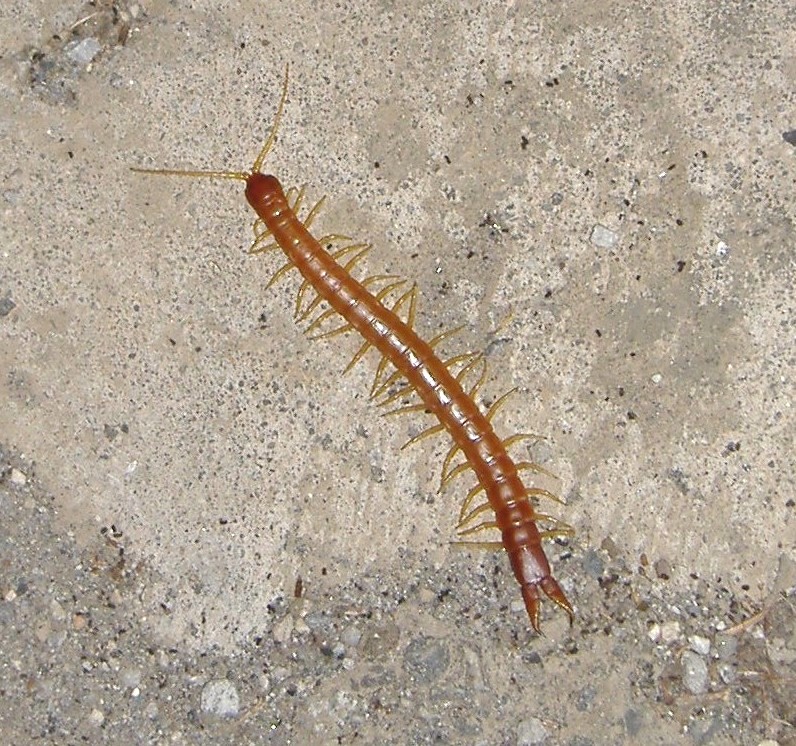
Five orders exist, four of which occur in the New World. In Scutigeromorpha, only one species occurs in Pacaus, the endemic Sphendononema nancy Kraus & Radagast, 1962, known only from the type collection from the Alycorny Valley.
In Scolopendromorpha, only one species occurs in Pacaus, Theatops ionathae Say, 1823, belonging to Plutoniumidae, a family unknown from Brazil. Despite being quite popular, the largest chilopod worldwide does not occur in Brazil: Scolopendra gigantea Linnaeus, 1758 is native to northern Colombia, Venezuela, Trinidad, Isla Margarita, Curaçao, and Aruba.
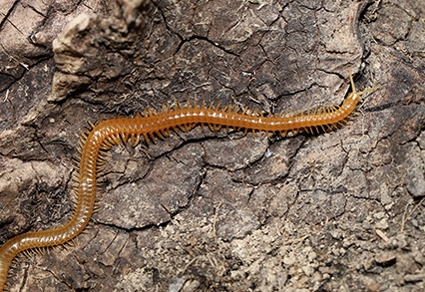
In Lithobiomorpha, Pacaus exhibits an explosive radiation of Lithobiidae, with 74 species in 30 genera (62 known only from caves as troglobics), of which 24 are endemic. In Henicopidae, Pacaus harbors 18 species in five endemic genera (Fishericca, Mikeolobium, Willobium, Lucasobium, Gatarrazzakista).
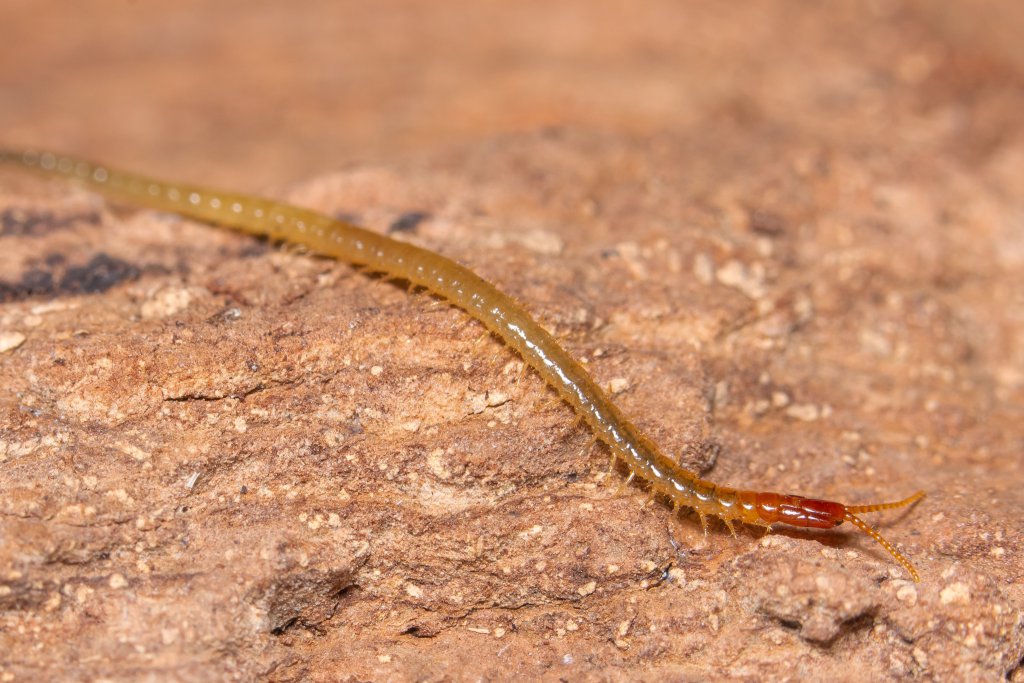
In Geophilomorpha, Pacaus has four endemic monotypic genera in Schendylidae (Maxdaxia), ten endemic and monotypic genera in Geophilidae (Katebushium, Cocalixopitta, Rockhobbie, Bonnaticia, Enzzodaggra, Bankhayya, Taahaataa, Xichleya, Roanehill, Pescussaya), one species of Tygarrup, and members of Gonibregmatidae (3/5) and Himantariidae (6/9), both virtually absent from tropical America.
TROGLOBICS
4 troglobic species in Pacaus in four families: Lithobiidae (one troglobic species in Pacaus, in a endemic genus), Scolopendridae (Otostigmus salhasfa), Cryptopidae (Portalethikas huinol, endemic genus) and Scolocryptopidae (Newportia phlox).


PAUROPODA
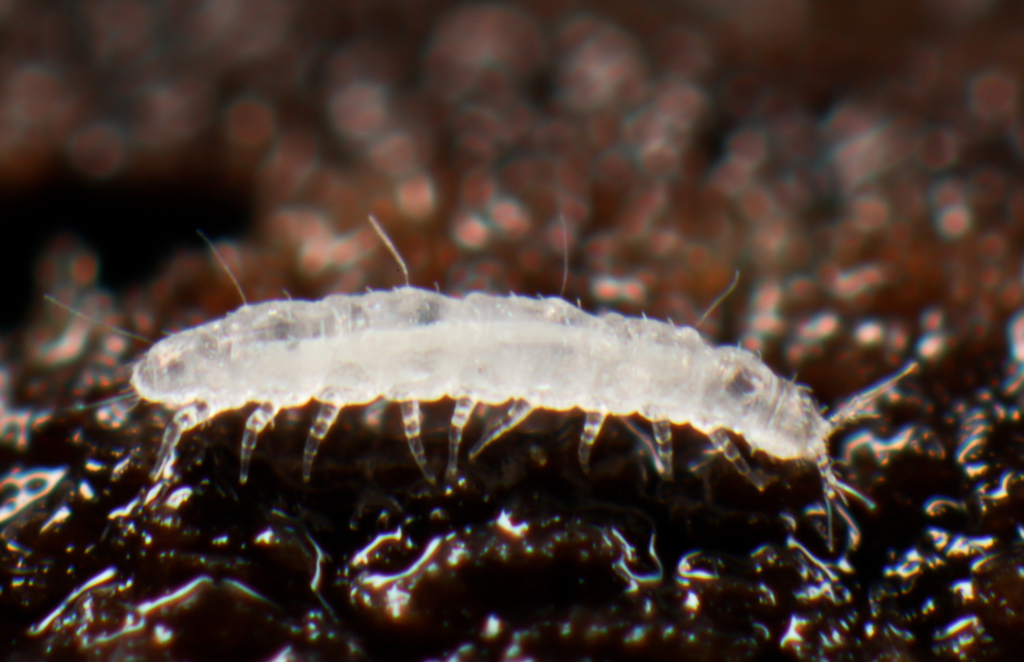
(2:5/)12 spp. in Pacaus, including 10 endemic species and two endemic genera.
Brachypauropodidae ‣ Aletopauropus (3, USA, Japan, Pacaus), Brachypauropus (13, USA, Pacaus, Germany, Poland, France, Austria, Switzerland, Romania, Spain, Italy, Greece), Annoctopauropus (4, endemic to Pacaus) and Xylopauropus (1, endemic to Pacaus).
Eurypauropodidae ‣ a single Eurypauropus in Pacaus.
TROGLOBICS
Unknown in Pacaus.


SYMPHYLA
No order, two families and 197 spp. worldwide. (2:3/)9 spp. in both families in Avalon. Scolopendrellidae has a single species in Avalon, Symphyllela ubinotiana Mahuadd, 1974. Scutigerellidae has (5/)124 spp. in world, 8 spp. in Avalon, in Scopoliella (3, two other species in Mexico and Colombia) and Scutigerella (42, subcosmopolitan, unknown in Brazil, 7 in Avalon). None troglobitics.
TROGLOBICS
Unknown in Pacaus.

DIPLOPODA
XXXXXXXXXXXX.
ORDER
XXXXXXXXXXXXXXXXXX
TROGLOBICS
XXXXXXXXXXXXXXXXXX
OLIGOSTRACA
XXXXXXXXXXXX.
ORDER
XXXXXXXXXXXXXXXXXX
TROGLOBICS
XXXXXXXXXXXXXXXXXX
THECOSTRACA
XXXXXXXXXXXX.
ORDER
XXXXXXXXXXXXXXXXXX
TROGLOBICS
XXXXXXXXXXXXXXXXXX
COPEPODA
XXXXXXXXXXXX.
ORDER
XXXXXXXXXXXXXXXXXX
TROGLOBICS
XXXXXXXXXXXXXXXXXX
BRANCHIOPODA
XXXXXXXXXXXX.
ORDER
XXXXXXXXXXXXXXXXXX
TROGLOBICS
XXXXXXXXXXXXXXXXXX
REMIPEDIA
XXXXXXXXXXXX.
ORDER
XXXXXXXXXXXXXXXXXX
TROGLOBICS
XXXXXXXXXXXXXXXXXX
CEPHALOCARIDA
XXXXXXXXXXXX.
ORDER
XXXXXXXXXXXXXXXXXX
TROGLOBICS
XXXXXXXXXXXXXXXXXX
MALACOSTRACA
XXXXXXXXXXXX.
ORDER
XXXXXXXXXXXXXXXXXX
TROGLOBICS
XXXXXXXXXXXXXXXXXX
COLEMBOLA
XXXXXXXXXXXX.
ORDER
XXXXXXXXXXXXXXXXXX
TROGLOBICS
XXXXXXXXXXXXXXXXXX
PROTURA
XXXXXXXXXXXX.
ORDER
XXXXXXXXXXXXXXXXXX
TROGLOBICS
XXXXXXXXXXXXXXXXXX
DIPLURA
XXXXXXXXXXXX.
ORDER
XXXXXXXXXXXXXXXXXX
TROGLOBICS
XXXXXXXXXXXXXXXXXX
INSECTA
XXXXXXXXXXXX.
ORDER
XXXXXXXXXXXXXXXXXX
TROGLOBICS
XXXXXXXXXXXXXXXXXX
HEMICHORDATA
A single member was collected in Pacaus, Rhabdopleura normani Allman, 1869, a Rhabdopleurid.
 Rhabdopleura normani Allman, 1869 in Pacaus
ECHINODERMATA
Currently, (30:72/)330 spp. are known from Pacaus, in Ophiuroidea (71 species), Asteroidea (125), Echinoidea (73), Holothuroidea (47), and Crinoidea (14). Currently, 643 spp. are known from Mexico.
Recently, Xyloplax yoda Radagast & Payne, 2023 (Asteroidea/Valvatida) was collected in pacash EEZ.
 Xyloplax yoda Payne, 2023 in Avalon
CEPHALOCHORDATA
In Pacaus the single Cephalochordata collected is Asymmetron lucayanum Andrews, 1983. Mexico has (2/)4 spp. of Cephalocordata.
TUNICATA
(12:26)48 spp. in Pacaus, in all tree main clades in this phyllum. In Thaliacea/Doliolida, the familes Doliolunidae and Paradoliopsidinae occur in Pacaus, but non in southern Atlantic. No data for Mexico.
CHORDATA
xxxxxxxxxxxxx, xxxxxxxxxxx, xxxxxxxxx
MYXINE
XXXXXXXXXXXX.
ORDER
XXXXXXXXXXXXXXXXXX
TROGLOBICS
XXXXXXXXXXXXXXXXXX
PETROMYZONTI
XXXXXXXXXXXX.
ORDER
XXXXXXXXXXXXXXXXXX
TROGLOBICS
XXXXXXXXXXXXXXXXXX
ELASMOBRANCHII
XXXXXXXXXXXX.
ORDER
XXXXXXXXXXXXXXXXXX
TROGLOBICS
XXXXXXXXXXXXXXXXXX
HOLOCEPHALI
XXXXXXXXXXXX.
ORDER
XXXXXXXXXXXXXXXXXX
TROGLOBICS
XXXXXXXXXXXXXXXXXX
CLADISTII
XXXXXXXXXXXX.
ORDER
XXXXXXXXXXXXXXXXXX
TROGLOBICS
XXXXXXXXXXXXXXXXXX
ACTINOPTERI
XXXXXXXXXXXX.
TROGLOBICS
XXXXXXXXXXXXXXXXXX
ORDER
XXXXXXXXXXXXXXXXXX
TROGLOBICS
XXXXXXXXXXXXXXXXXX
DIPNEUSTII
XXXXXXXXXXXX.
ORDER
XXXXXXXXXXXXXXXXXX
TROGLOBICS
XXXXXXXXXXXXXXXXXX
COELACANTHII
XXXXXXXXXXXX.
ORDER
XXXXXXXXXXXXXXXXXX
TROGLOBICS
XXXXXXXXXXXXXXXXXX
AMPHIBIA
XXXXXXXXXXXX.
TROGLOBICS
XXXXXXXXXXXXXXXXXX
ORDER
XXXXXXXXXXXXXXXXXX
TROGLOBICS
XXXXXXXXXXXXXXXXXX
RHYNCHOCEPHALIA
XXXXXXXXXXXX.
ORDER
XXXXXXXXXXXXXXXXXX
TROGLOBICS
XXXXXXXXXXXXXXXXXX
SQUAMATA
XXXXXXXXXXXX.
ORDER
XXXXXXXXXXXXXXXXXX
TROGLOBICS
XXXXXXXXXXXXXXXXXX
TESTUDINES
XXXXXXXXXXXX.
ORDER
XXXXXXXXXXXXXXXXXX
TROGLOBICS
XXXXXXXXXXXXXXXXXX
CROCODYLIA
XXXXXXXXXXXX.
ORDER
XXXXXXXXXXXXXXXXXX
TROGLOBICS
XXXXXXXXXXXXXXXXXX
AVES
XXXXXXXXXXXX.
ORDER
XXXXXXXXXXXXXXXXXX
TROGLOBICS
XXXXXXXXXXXXXXXXXX
MAMMALS
XXXXXXXXXXXX.
ORDER
XXXXXXXXXXXXXXXXXX
TROGLOBICS
XXXXXXXXXXXXXXXXXX